Use cases

Deployed where it matters.

The stack exists so intelligence can run in places a cloud API can't reach — on machines, in vehicles, in rooms where privacy is non-negotiable. Below: how the four layers land in the sectors we're building for first.

01 · Automotive & ADAS

The long tail of driving is context, not detection.

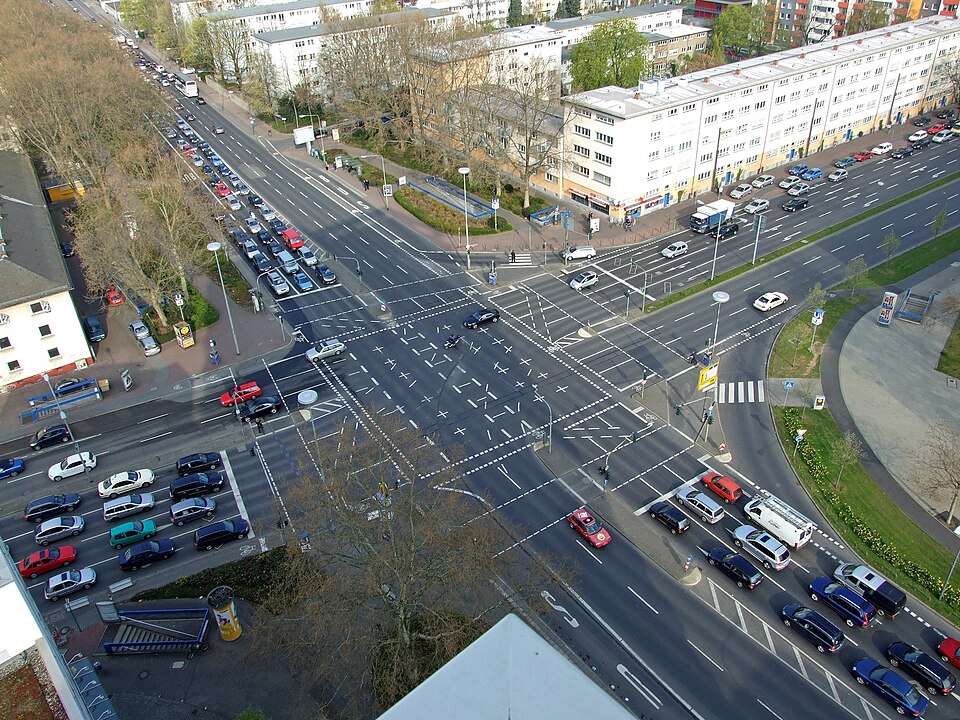
Classical perception answers what is there against a fixed class list. The situations that strand an ADAS stack need what it means, here, now — and that is what a vision-language model adds on top of the detectors you already ship. On the vehicle's own silicon, inside hard latency budgets — no cloud in the decision path.

  • conditional rules

    A limit that applies only, parking that's legal after 18:00, a lane reserved outside delivery hours — the sign is read and its condition checked against the scene.

  • open-vocabulary hazards

    A mattress in lane, an overturned scooter, debris after a storm, an animal at the verge — described when encountered, not skipped for want of a class.

  • work zones

    Cones and yellow markings that override the white ones, a lane that ends in 200 m, a flagger waving traffic through the oncoming side.

  • intent & gesture

    An officer signalling you to stop, a cyclist's arm out, a child at the kerb looking the wrong way — cues that live in behaviour, not in a bounding box.

  • in-cabin understanding

    Distraction, drowsiness, a phone in hand, a child left on the rear seat — the same model watches inward as well as out.

  • scenario mining

    Ask petabytes of fleet footage for "cyclist at dusk, in rain, no helmet" and get clips back — the long tail becomes a training set instead of a backlog.
feed 01 · automotive

how the stack maps

  • datafleet dashcam + signage long tail → PanoData corpora
  • trainPanoFabric — fine-tuned per market and rulebook
  • model2B PanoVLM: signs, road state, conditional rules
  • runPanoComp → PanoRT on the vehicle SoC, real-time budget
02 · Physical AI

Machines that understand the scene they act in.

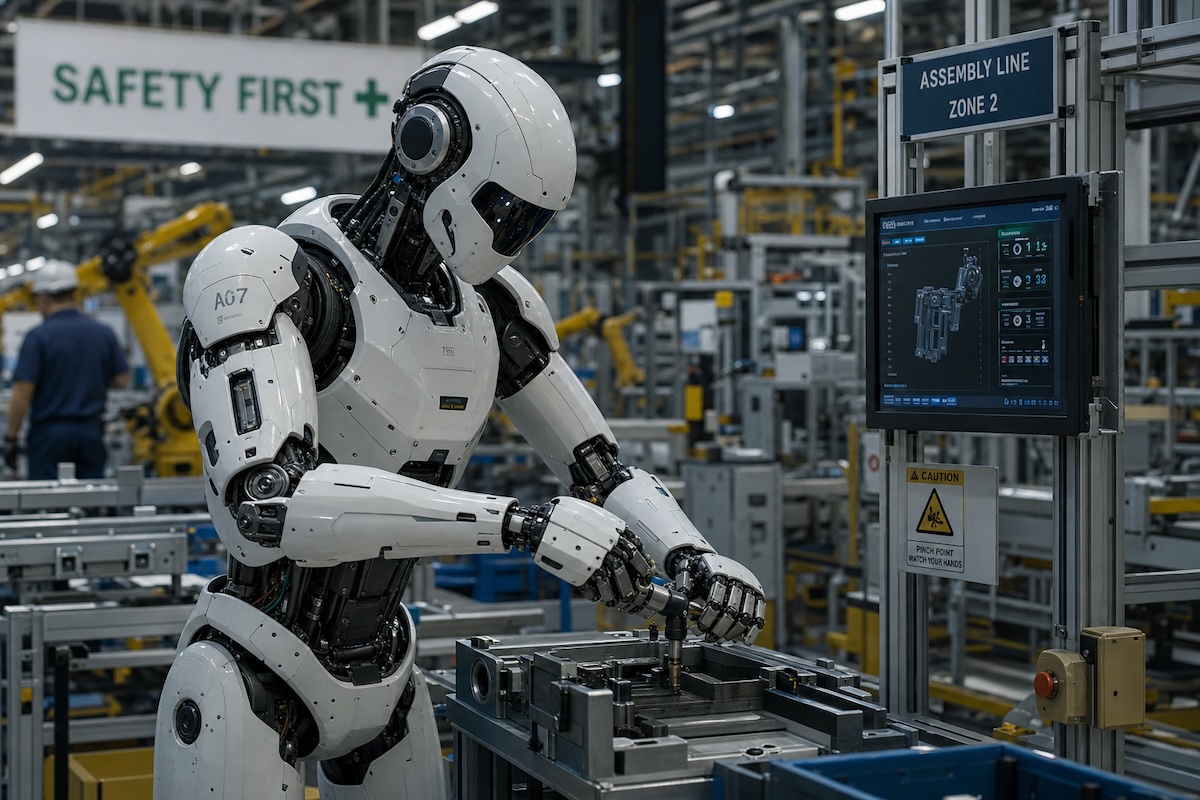
Humanoids and mobile manipulators pick, carry and sort; AMRs move stock; inspection platforms patrol sites. All of them live or die by perception, answered in real time on the machine's own compute — and PanoRT joins the existing ROS 2 platform as a node: sensor topics in, perception topics out, no replatforming, no vendor runtime bleeding into the control loop.

  • human-aware safety

    A person stepping into the work cell, a hand where the tool is about to move, a high-vis vest behind a rack — understood as people with intent, not occupancy-grid blobs, before the arm commits.

  • open-world manipulation

    "Pick the dented carton", is the part actually seated in the gripper, did the grasp hold — verified visually, on objects the robot was never explicitly trained on.

  • scene & anomaly understanding

    A pallet where the aisle should be clear, a spill on the floor, a fire exit blocked since the last shift — the environment checked continuously, not just navigated.

  • language-grounded tasking

    "Take these totes to receiving and come back" — instructions grounded against what the robot sees, the bridge from perception to VLA-style action policies.

  • inspection & patrol

    An open gate after hours, a missing extinguisher, an analog gauge in the red — a patrol robot that reads the site the way a guard does, and files what it finds.

  • explainable stops

    "Stopped: person within 2 m of the arm" — the robot can say why it halted, turning incident review and teleop handover from log archaeology into a sentence.

feed 02 · physical AI

how the stack maps

  • datateleop sessions + site recordings → PanoData corpora
  • trainPanoFabric across your clusters + spot capacity
  • modelmid-size PanoVLM, tuned for safety and manipulation cues
  • runPanoComp → PanoRT as a ROS 2 node on the machine's SoC
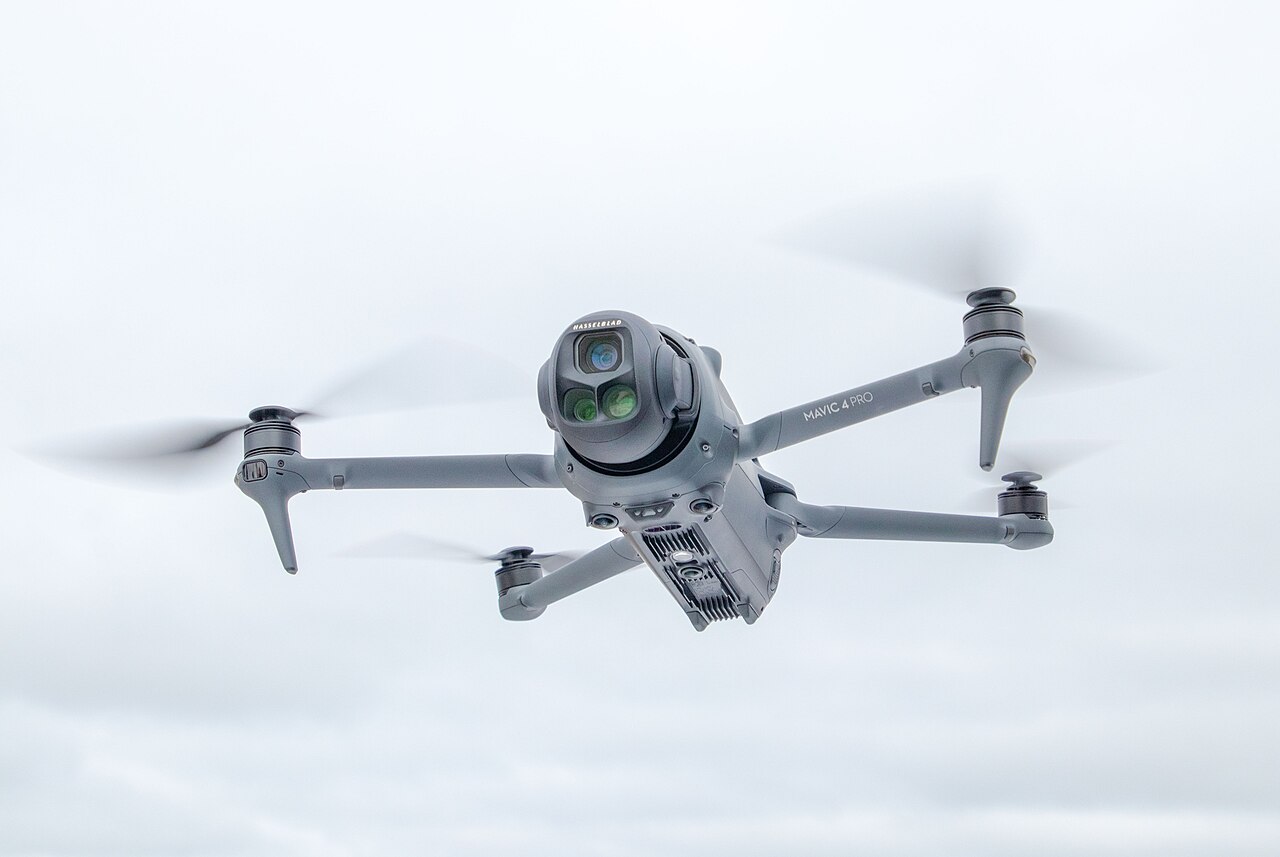
feed 03 · airborne

03 · Drones

Perception inside a drone's power budget

Inspection, mapping, search and monitoring — a drone's business case is what it can see and decide without a link. The 500M-class PanoVLM flies on the companion computer: the cracked insulator on a powerline span, corrosion on a turbine blade, a heat signature in a search grid — flagged while still in the air. Weight, heat and battery are the real constraints up there; PanoComp compiles for exactly the silicon you fly, so perception fits in watts.

flight footage → PanoFabric → 500M PanoVLM → PanoRT on the companion computer, offline in the air

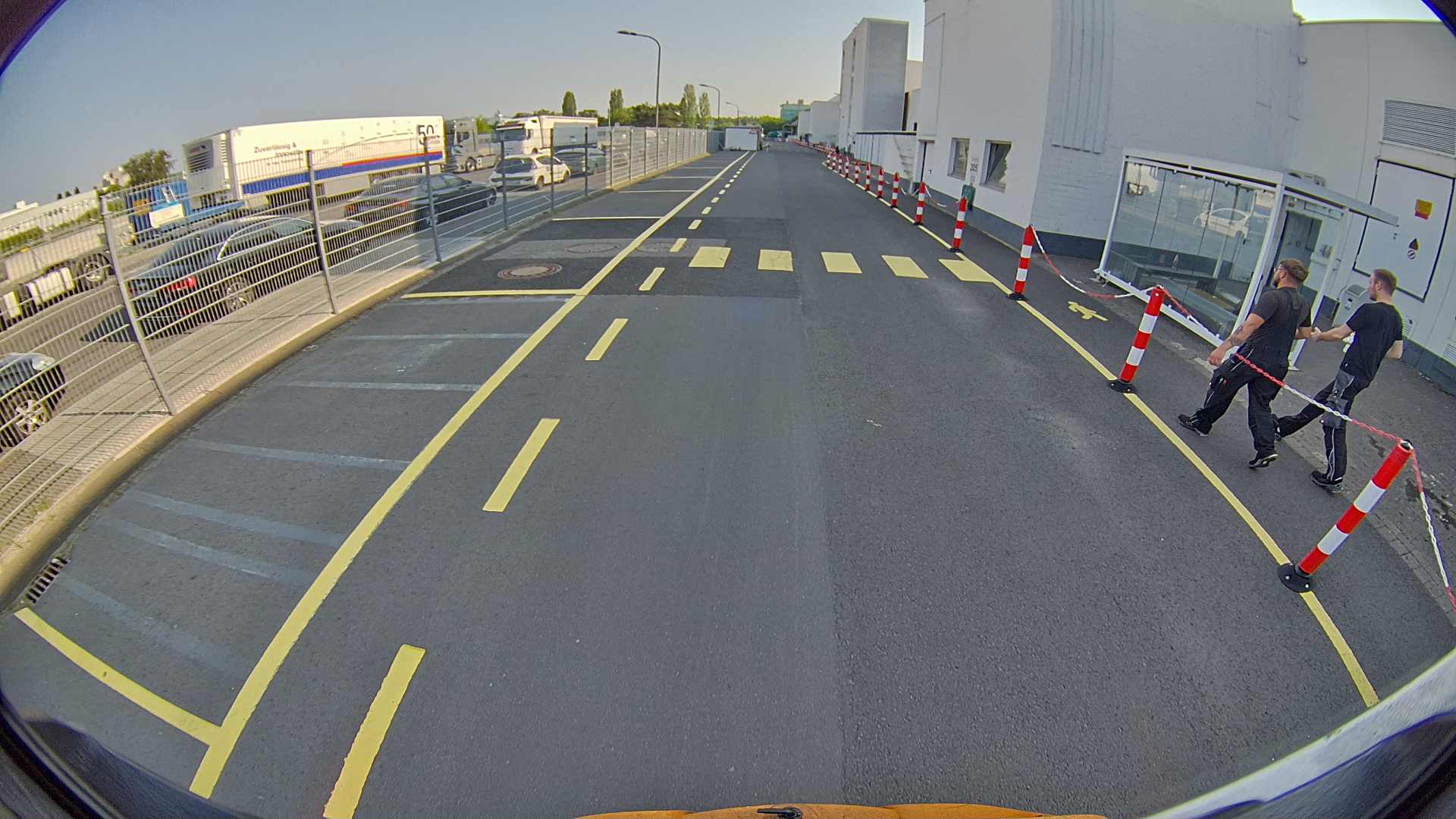
feed 04 · smart cameras

04 · Smart cameras

Cameras that understand the scene — and admit when they can't.

One PanoVLM behind every lens turns a camera wall into an operator that never blinks: perimeter breaches, missing PPE, a forklift–pedestrian near miss — asked for in plain language, not one rule engine per camera. And because the weakest link in a fleet is the camera itself, the same model audits its own eyes — condensation, glare, a feed frozen for a week — and files the maintenance ticket before the blind spot matters.

VMS archives → PanoFabric on your infra → PanoVLM → PanoRT on the camera SoC or an edge box

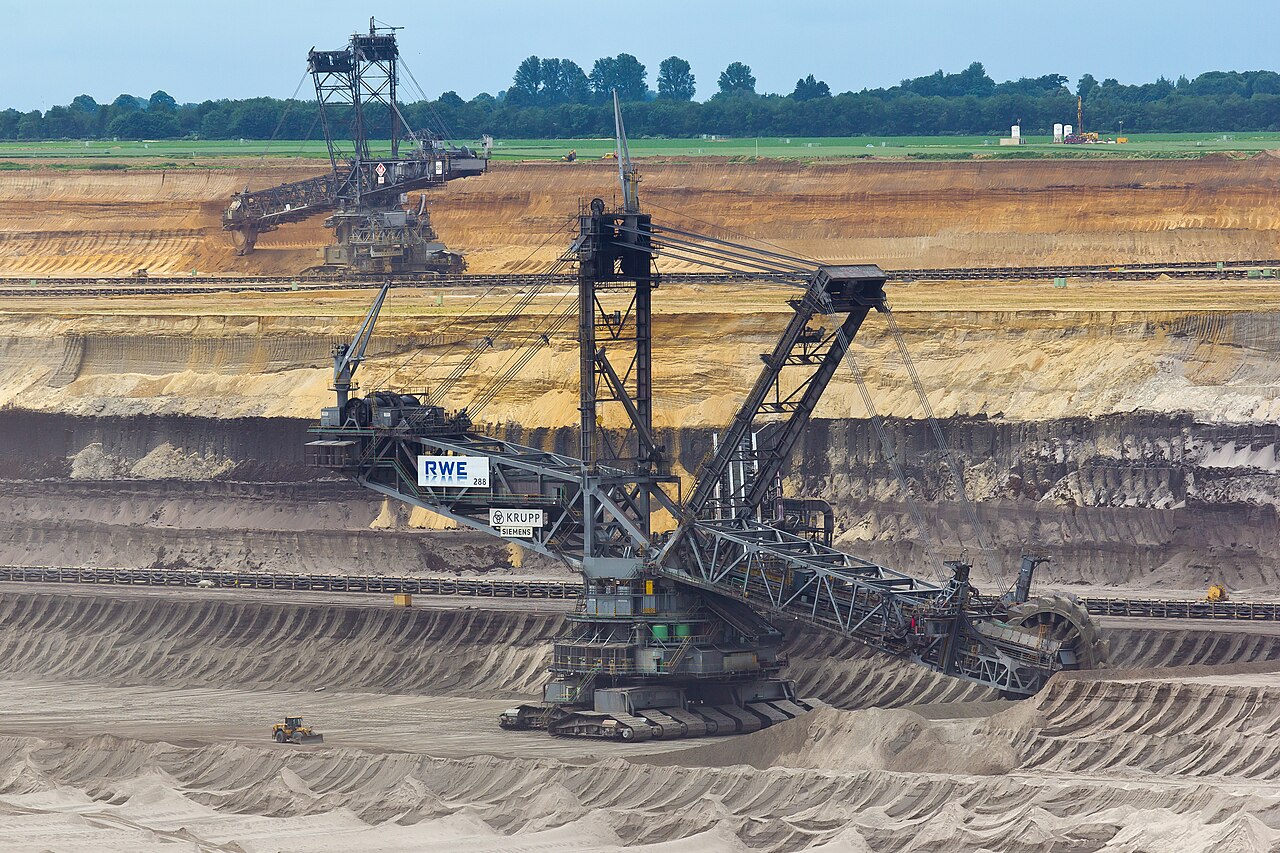
feed 05 · heavy machinery

05 · Heavy machinery

Operator assistance where there's no network

Quarries, ports and construction sites — where connectivity is a rumor and downtime is money. The model rides the machine's own compute, watching for people in blind zones, loads outside tolerance and operations drifting out of spec. No uplink required: inference, alerting and logging happen on-device, and sync back when the machine next sees a network.

on-machine footage → PanoFabric → PanoVLM, ruggedized label set → PanoRT on embedded compute, fully offline

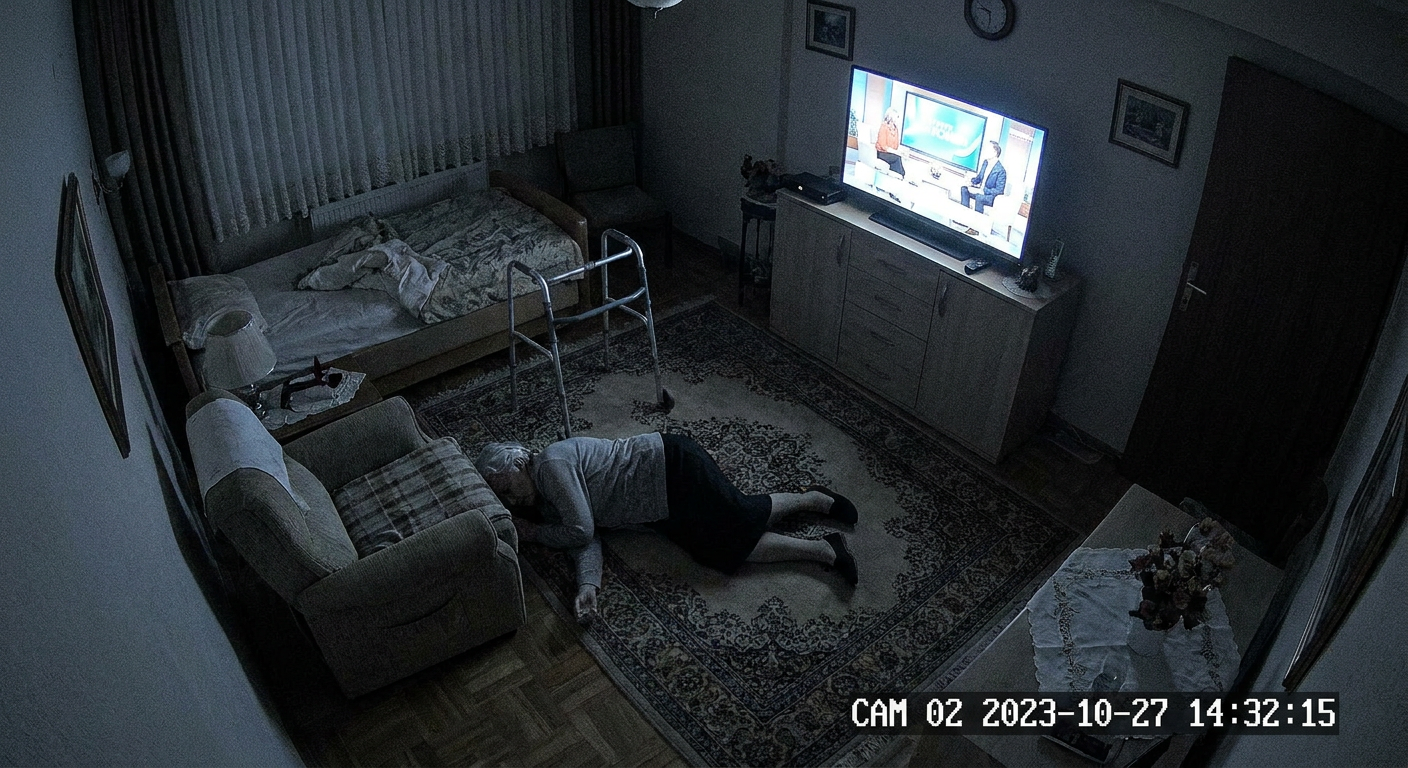
feed 06 · room 214

06 · Elderly care

Watchfulness without a camera feed

Fall and distress detection that runs in the room, on the device. Nothing streams to a cloud — the model sees everything and shares only alerts. That inversion is the whole product: watchfulness without surveillance, privacy as an architecture rather than a policy PDF. On-device also means it keeps working when the Wi-Fi doesn't.

consented recordings → PanoFabric on-prem → compact PanoVLM → PanoRT on a room device — video never leaves it

Your sector

Bring the constraint, we bring the stack.

If your problem ends on a chip we haven't met yet, that's the interesting part. Tell us what it has to do and where it has to run.

Talk to us