Each piece designed for the next
The people training the models also own the compiler that has to fit them on your chip. When the quantization hurts accuracy, it's the same standup — not a support ticket to another company.
About us
We spent the last decade training models and running the infrastructure they run on — and kept hitting the same wall: the intelligence was ready, the stack to apply it wasn't. PanocularAI exists to build that stack whole, as one team, from the GPU fabric to the runtime on the chip.
Why whole-stack
Models, the training-and-serving fabric, the compiler and the edge runtime are usually bought separately and glued together by whoever is left holding the deadline. Each seam is where accuracy, latency and budget quietly leak.
The people training the models also own the compiler that has to fit them on your chip. When the quantization hurts accuracy, it's the same standup — not a support ticket to another company.
Training runs on the GPUs you already have or rent, and inference runs on the device in your product. Frames and datasets don't need to leave your estate for any of it to work — which is the only version of privacy that survives an audit.
We've been paged at 3am by our own systems, so the stack is built for the boring properties: runs resume when nodes drop, models keep accuracy after distillation, inference holds its budget on hardware you can actually buy.
PanoFabric stands on the shoulders of open research and open source, and we'd rather contribute upstream than maintain a private fork of someone else's good idea.
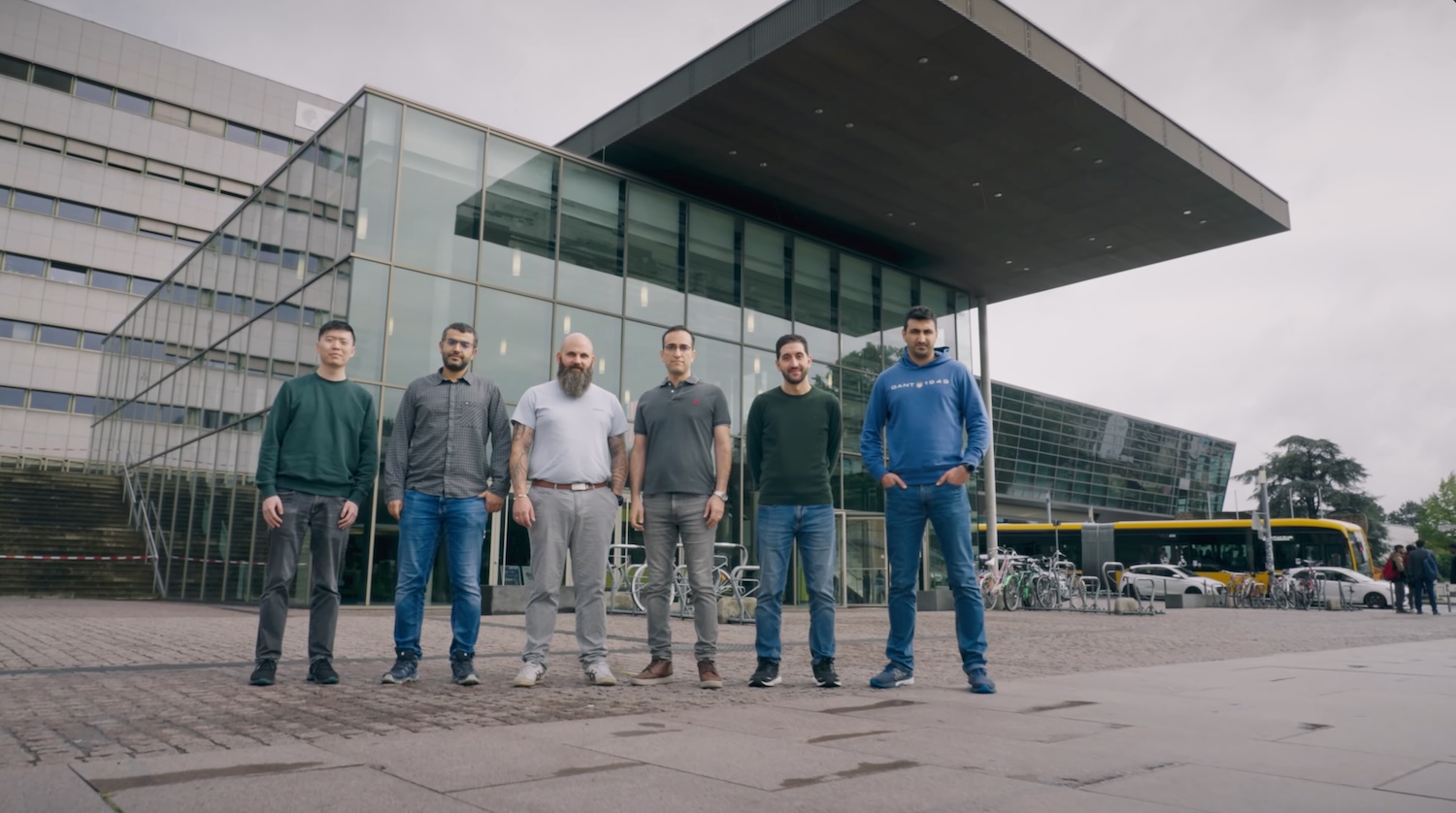
The team
One team owns the whole path from a raw dataset to a model answering in real time on a chip in the field. That's deliberate: whole-stack ownership is the only way the seams get designed instead of negotiated.
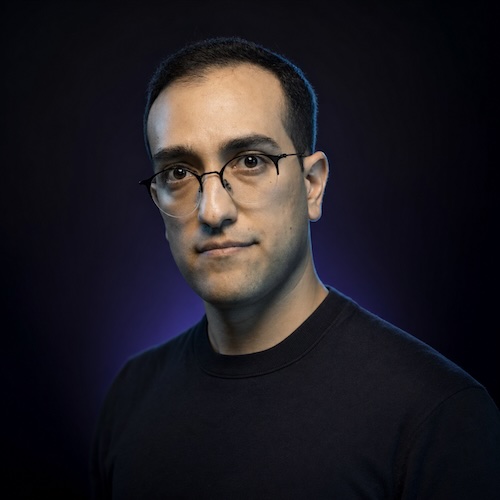
co-founder · CEO
Entrepreneur and commercial lead. Fifteen years in camera-based ADAS — growing start-ups, winning backing from Bosch and the EU. Now leading the company putting applied intelligence on real machines.
co-founder · CTO
Award-winning Entrepreneur and scientist with years of experience on the synergy of AI and HPC. Passionate builder bridging theory and real-world applications. Now the driving force behind the technology redefining the true potential of efficient AI.
Application Engineer
With an M.Sc. in AI and Robotics, his background spans research in sensor fusion, robotic software engineering, and ROS integration. He currently explores applications of VLMs for robotics and intelligent edge systems.
AI Research Scientist
Seasoned AI researcher with a PhD from INSA Lyon and former researcher at University of Tübingen. He currently leads the development of PanoVLM across data processing, architecture, training, and evaluation.
Compiler Engineer
Researcher and engineer specializing in ML compilers and computer architecture, postgrad from Iowa State University. Now closing the gap between trained checkpoints and running robots, turning models into embodied intelligence.
any layer of the stack
We hire when we meet people who can't stop pulling on one of these threads.
Open roles →Recognition
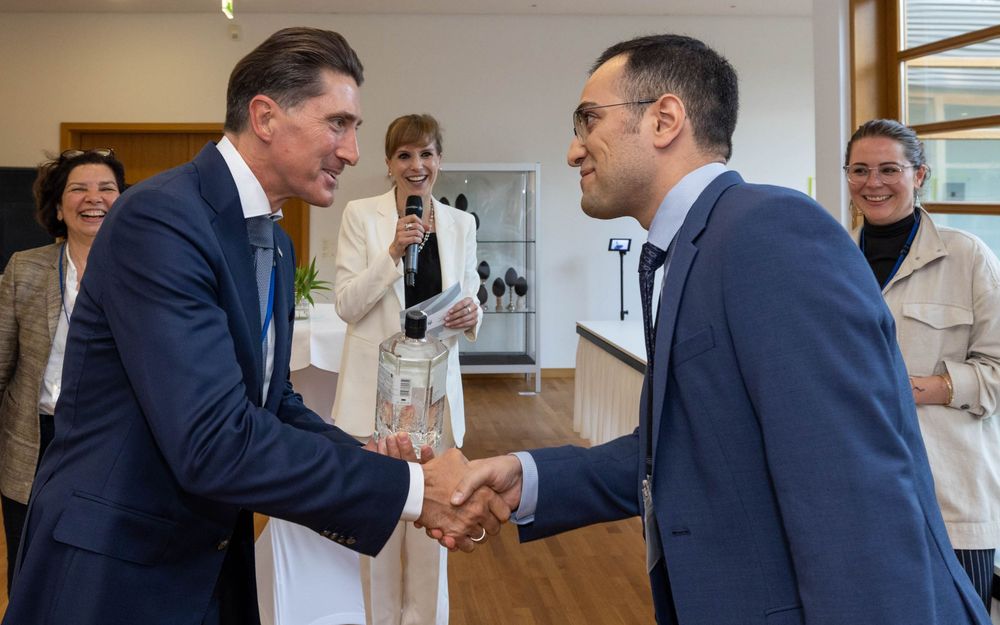
The work has been recognised by the German innovation ecosystem — and written about by people who asked good questions.
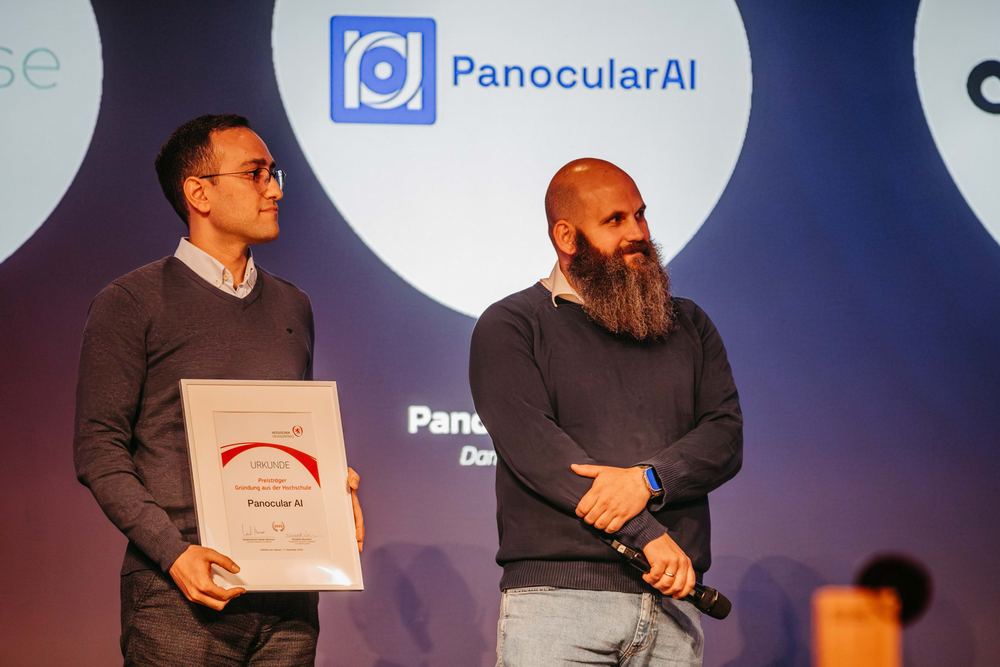
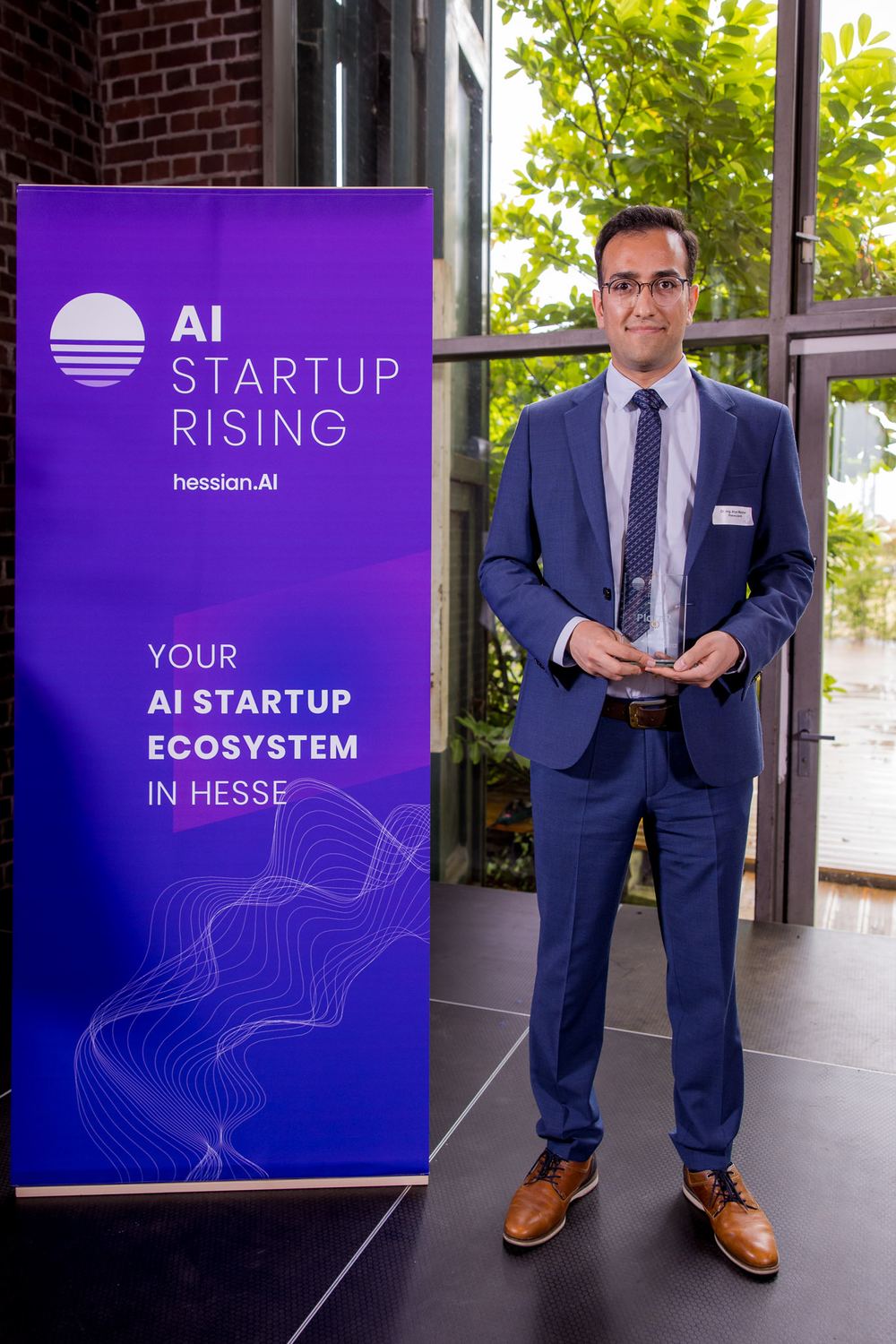
Awards
Rising Star category
About the gala →
Award Winner
Winner profile →
2nd & 3rd Place
Award Winner
Read the announcement →In the media
A Darmstadt-built AI that recognises and describes unfamiliar objects in real time, on a fraction of the compute — and what that means for European digital sovereignty.
Read the article →An interview from the paper's Hessischer Gründerpreis series, on getting AI onto the small, low-power devices it never fitted before: robots, drones and smart cameras.
Read the interview →Supporters
Two grants back the parts of the stack that are research before they're products.
The German Federal Agency for Disruptive Innovation runs a multi-stage challenge on training and inference of AI models across distributed, heterogeneous compute instead of one centralised datacenter — the exact problem PanoFabric exists to solve.
Work with us
Bring the constraint — the chip, the latency budget, the data that can't leave the building. That's the part we find interesting.